Identify The Item
Confirm the exact product, size, variation, quantity, and affected component whenever possible. Product identification reduces unnecessary back-and-forth during review.
Corevora Ownership Standard / Support + Care
Protect your training setup from the first session forward. Understand how to document an equipment issue, prepare a clear support request, care for high-use surfaces, inspect wear points, and keep training gear in dependable condition.
Product ownership extends beyond delivery. Strength and conditioning equipment is exposed to repeated loading, sweat, friction, floor contact, movement, adjustment, impact, stretching, storage pressure, and environmental conditions. This guide organizes the Corevora support experience around two priorities: making product concerns easier to evaluate and helping customers establish care habits that support long-term equipment condition. Warranty eligibility, available remedies, and coverage are determined by the terms applicable to the specific product and order.
Warranty Framework
An effective warranty-support process begins with accurate information. Product identification, order history, photographs, a concise description, and current equipment condition help distinguish a product concern from ordinary wear, setup questions, maintenance needs, or damage caused after delivery.
Confirm the exact product, size, variation, quantity, and affected component whenever possible. Product identification reduces unnecessary back-and-forth during review.
Clear photos should show both the problem area and enough surrounding context to understand where it appears on the product. Avoid heavily cropped or blurred images.
Describe when the issue was first noticed, whether the product was assembled or used, what type of training was taking place, and whether its behavior changed over time.
If equipment appears structurally compromised, unstable, cracked, severely frayed, or unable to lock correctly, stop using it until the condition has been reviewed.
Built For Repeated Training
Fitness equipment can show evidence of use without necessarily losing its ability to perform its intended training role.
Handles may develop contact marks. Coatings may show surface wear where weights meet racks or floors. Bench upholstery may develop normal creasing. Jump ropes may show abrasion from repeated floor contact. These visible changes are different from structural failure, unexpected deformation, broken locking systems, or damaged load-bearing material. When evaluating a concern, focus on what changed, where it changed, and whether the product still behaves as intended.
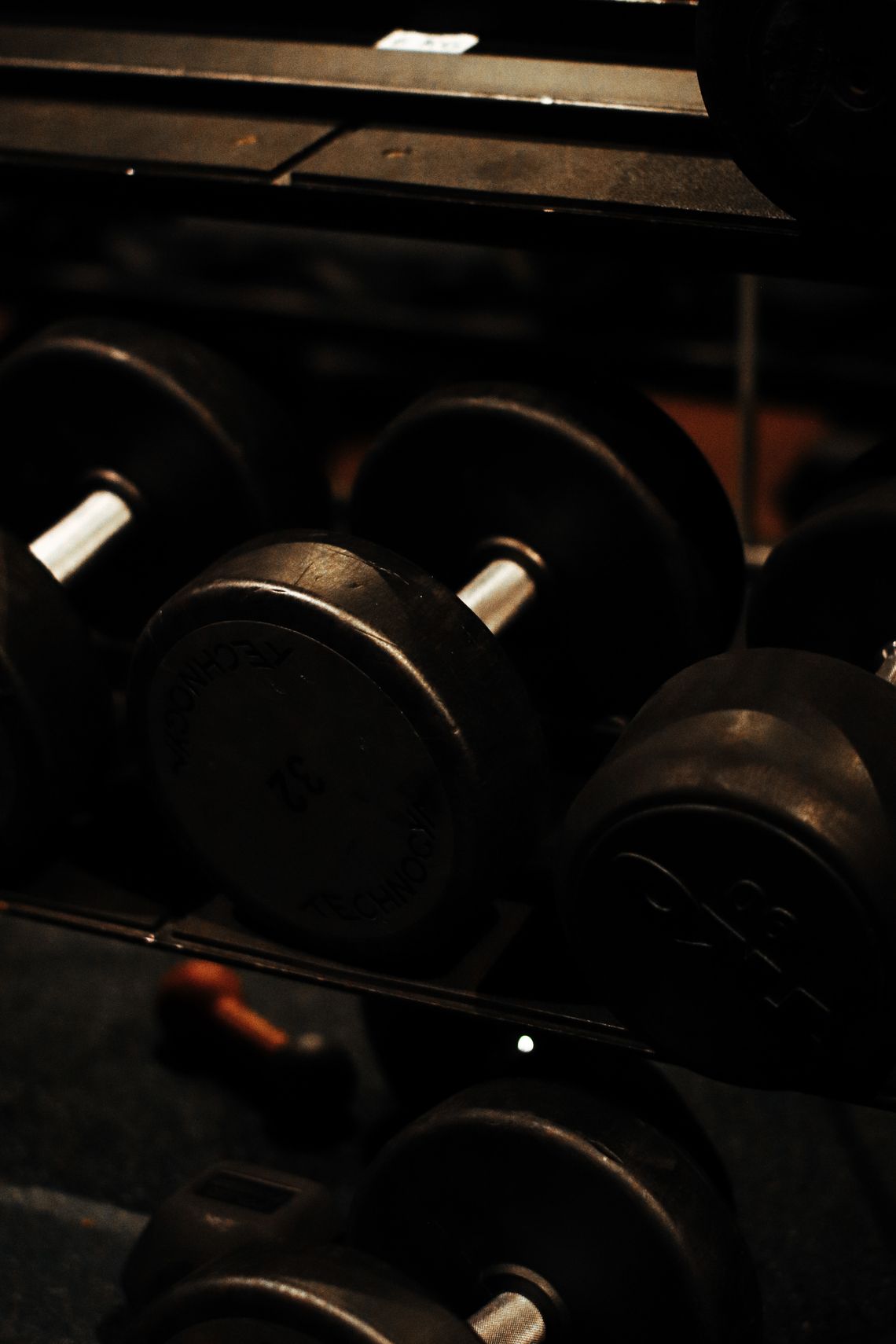
Support Pathway
A well-prepared request gives support teams a clearer starting point. Use this sequence before reaching out so the condition, timeline, and product details can be reviewed as efficiently as possible.
Record the product name, variation, approximate purchase date, and any identifying information shown on the item or packaging.
Capture an overall product image, a medium-distance view of the affected area, and close-up images showing the concern in clear lighting.
State when the issue appeared, whether it was present on arrival, how the product had been used, and whether its function changed.
If the concern involves load-bearing parts, broken adjustments, severe fraying, cracking, or instability, stop using the equipment during review.
Combine the relevant order details, issue description, photographs, and supporting information into one clear support request.
Documentation Kit
The goal is not to create a long report. It is to provide enough useful information for the equipment and its condition to be understood without guessing.
Keep original packaging, labels, installation information, or other supporting materials when they may be relevant to the condition being reviewed.
Provide information that allows the original purchase to be identified accurately. Avoid sending unrelated payment or personal information that is not necessary for review.
Show the complete product so the affected component can be understood in context. Use adequate lighting and keep the product fully visible.
Include focused views of cracks, stitching, coatings, connections, adjustment points, deformation, damage, or any other area central to the request.
Explain what is happening in practical terms. For example, note whether a component shifts, fails to lock, has separated, changed shape, or arrived in that condition.
Describe the type of training or setup involved when relevant. This can help explain the loads, contact points, surfaces, and adjustment positions involved.
If the concern was present on delivery, photographs of the shipping carton, protective packaging, labels, and product condition may help establish context.
Issue Classification
Customers do not need to diagnose a product defect themselves. It is still useful to describe whether the concern appears related to delivery, ordinary use, maintenance, adjustment, or an unexpected functional change.
Use this category when an item arrives with a visible issue, missing component, deformation, packaging damage, or another condition noticed before normal use.
Fitness equipment can develop cosmetic and contact wear from expected use. The important question is whether the change is visual only or affects normal function.
Broken adjustments, structural instability, unexpected separation, severely damaged load-bearing material, or abnormal deformation require a more cautious response.
Product Care Standard
Good care is not a repair strategy. It is a routine that reduces unnecessary deterioration before problems develop.
Sweat should not remain on high-contact surfaces longer than necessary. Bands should not stay stretched between workouts. Straps should not be packed away damp. Jump ropes should not be stored with severe cable bends. Heavy weights should not be stacked where they can roll, fall, or crush flexible accessories. Equipment that includes adjustable parts should be returned to a stable resting position and checked periodically for abnormal looseness or movement.
Corevora Equipment Index
Each training category develops wear differently. The following guidance focuses on the areas most likely to encounter handling, impact, stretching, friction, moisture, adjustment, or structural loading.
Clean grips and heads after sweaty use and inspect fixed or adjustable components for changes that could affect secure handling.
Handles receive repeated friction while bell bodies frequently contact floors, racks, and nearby training equipment.
Elastic training products should be checked across their full working length before use because small cuts can become more significant under stretch.
Bench care combines upholstery maintenance with regular attention to feet, frame stability, locking positions, and adjustment components.
Structural and mounted equipment transfers significant force through frames, attachment points, grips, joints, and support surfaces.
Impact equipment should retain appropriate shape and surface integrity for the type of training it was designed to perform.
Load-bearing webbing and anchoring components require close attention because body weight is transferred through straps, stitching, buckles, and attachment points.
Rope and cable surfaces experience frequent floor abrasion while handles and rotating components are exposed to repetitive movement.
Cones, ladders, hurdles, and markers often move between indoor floors, turf, and outdoor environments where dirt and moisture are common.
Care Matrix
Maintenance becomes easier when you know where wear tends to develop. Concentrate on the areas that repeatedly touch hands, floors, racks, anchors, adjustment hardware, or other equipment.
Sweat, skin oils, chalk, and friction collect here first. Keep gripping surfaces clean enough to remain predictable without aggressively damaging their finish.
Review structural areas for unusual movement, visible deformation, cracks, or changes in alignment before demanding training.
Pins, locking positions, moving arms, and adjustment mechanisms should engage and release as intended without forced movement.
Cracks, cuts, punctures, thinning, or heat damage deserve attention before the material is placed under significant stretch.
Suspension and load-bearing fabric components should remain free from severe fraying, torn stitching, damaged loops, and distorted hardware.
Feet, bases, rope surfaces, ball shells, and weight heads encounter repeated contact with the training surface and should be checked for abrasion or instability.
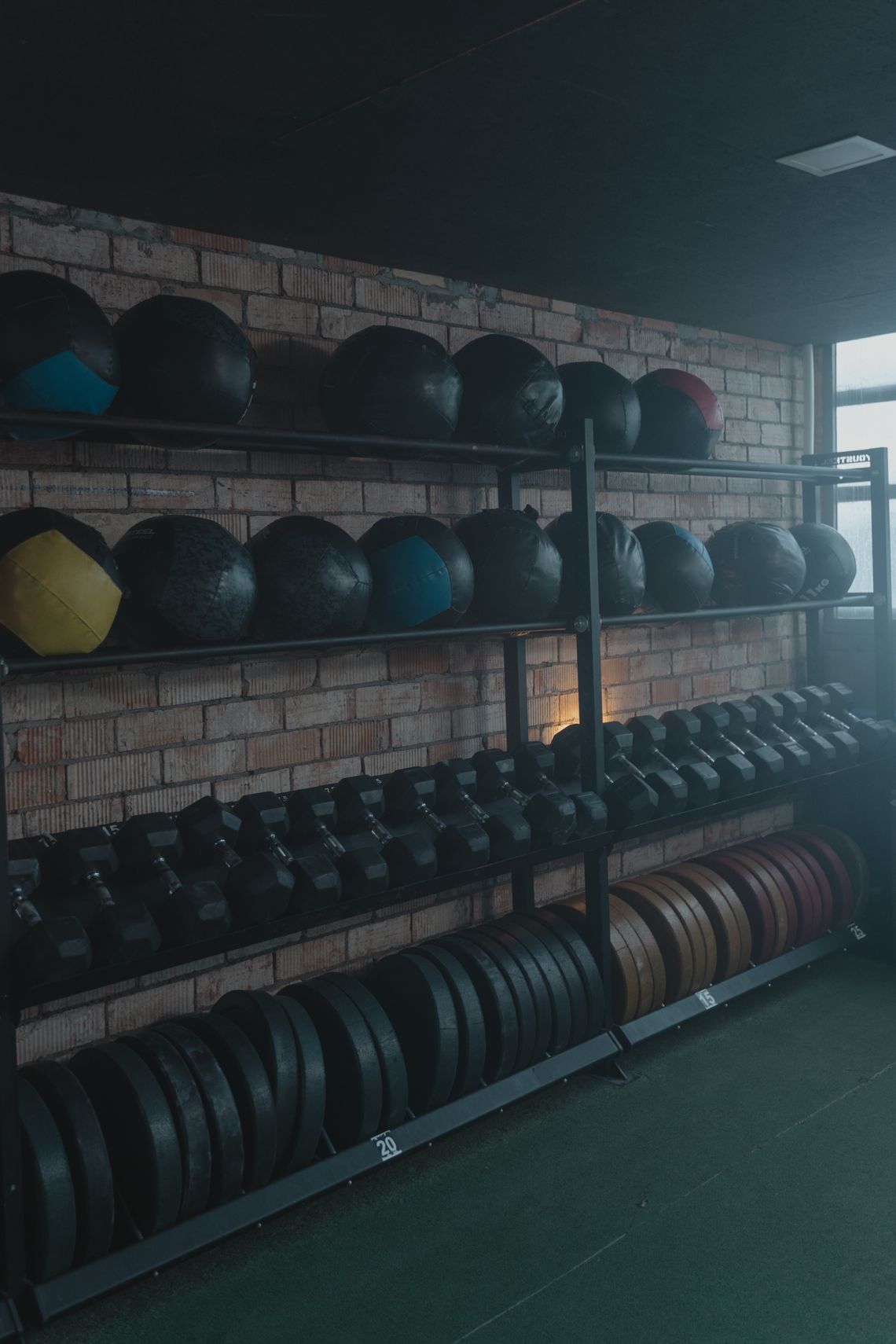
Racks and shelves can create repeated metal-to-metal or coating-to-metal contact. Organize storage to reduce unnecessary collisions and compression.
Ownership Responsibilities
Warranty support and product care are related but not interchangeable. A warranty review addresses qualifying product concerns under the applicable terms, while routine care helps reduce avoidable deterioration during normal ownership.
Training gear performs best when used within its intended function, setup, and environment. A resistance band is not a cable tow strap. A medicine ball is not automatically designed for repeated slamming. A bench is not a storage shelf for unstable heavy loads. Product-specific limitations should always take priority over general advice.
Follow the supplied assembly sequence and use all required components before placing significant load on the product.
Do not assume similar-looking equipment has identical load, impact, anchoring, or environmental capabilities.
Avoid unnecessary exposure to persistent dampness, standing water, extreme heat, or storage conditions that accelerate deterioration.
Do not ignore instability, severe wear, cracking, fraying, or adjustment failure simply because the product previously worked correctly.
Warranty + Care Questions
These answers explain the support process at a general level without replacing the warranty terms that apply to an individual product or order.
Corevora Ownership Standard
Strong equipment ownership is built around clear documentation and disciplined care. Know what you purchased. Inspect what changed. Protect equipment when damage is uncertain. Keep surfaces clean, storage organized, and load-bearing components under regular observation. When a product concern needs support, present the complete situation clearly.