Corevora Training Field Guide
01
A space-conscious framework for building a serious strength, conditioning, and performance setup without turning your living area into permanent gym storage.

Small-Space Training

Limited square footage does not require limited training. The right equipment mix, movement selection, storage logic, and floor plan can turn a compact room, apartment corner, spare bedroom, garage bay, or dedicated training zone into a disciplined performance space.

This guide approaches small-space training as a system rather than a collection of random equipment. Start with versatile resistance, protect clear movement lanes, favor tools that earn their footprint, and create a setup that can transition from strength work to conditioning without constant rearrangement.

Compact Equipment Footprint
Adaptable Movement Selection
Intentional Storage + Reset
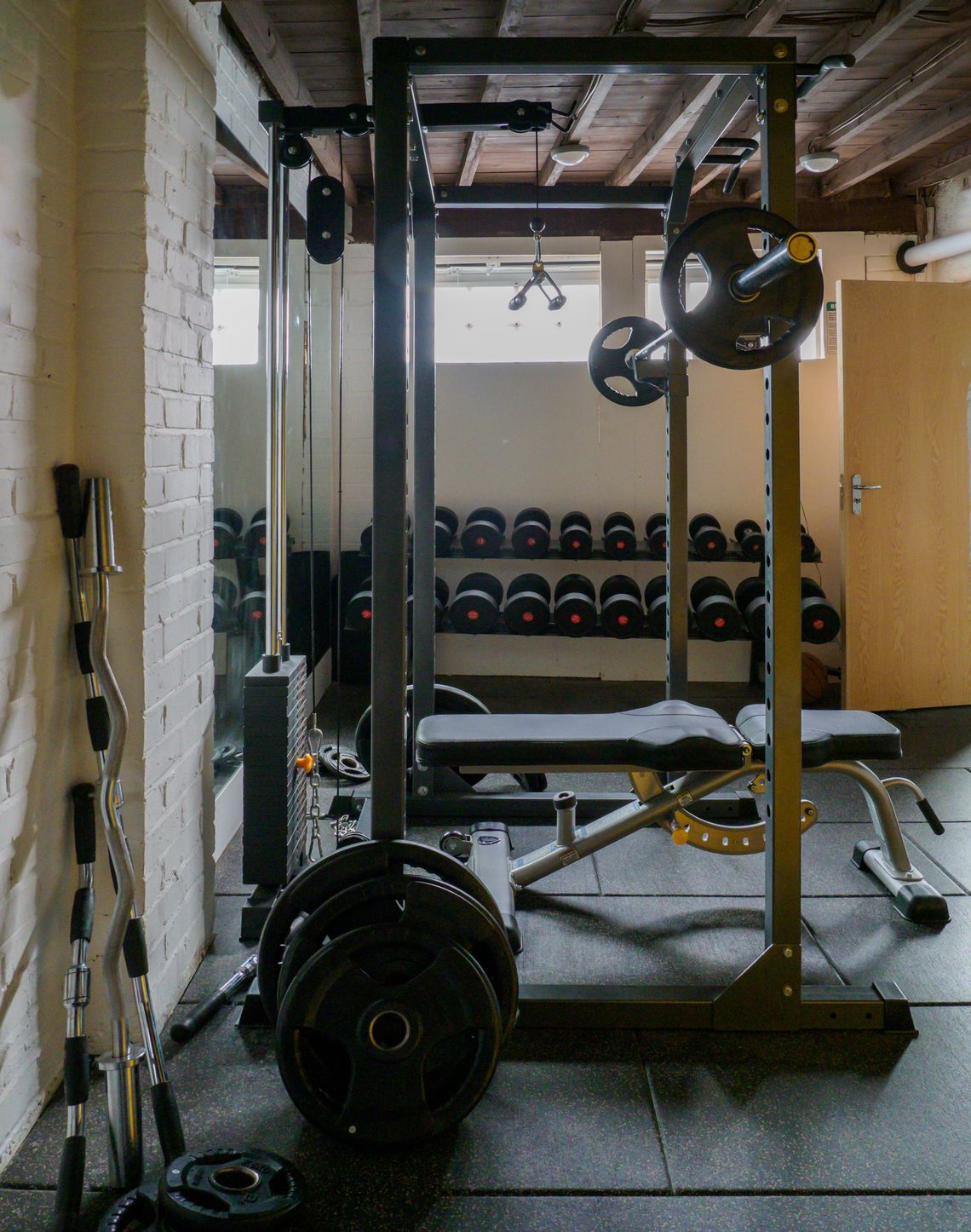
Real compact home gym with weight bench, dumbbells, weight plates, and strength equipment
Compact Strength Environment Corevora / Field 01
Dumbbells
Kettlebells
Resistance Bands
Weight Benches
Suspension Trainers
Jump Ropes
Medicine Balls
Agility Training
Dumbbells
Kettlebells
Resistance Bands
Weight Benches
Suspension Trainers
Jump Ropes
Medicine Balls
Agility Training
Compact Training Architecture

Make Every Piece Earn Its Space

The best compact setups are not miniature commercial gyms. They are deliberately edited training systems built around high-utility equipment, clean transitions, repeatable storage, and enough open floor area to move without compromise.

01 / UTILITY

Choose Multipurpose Tools

Prioritize equipment that supports several movement patterns. Dumbbells, kettlebells, resistance bands, suspension trainers, and an adjustable bench can cover strength, stability, accessory work, and conditioning while keeping the equipment list controlled.

02 / FLOW

Protect the Movement Lane

Your most valuable asset is often the empty floor. Preserve a clear central lane for hinges, squats, presses, carries, rope work, mobility, and floor-based movements instead of filling every wall with equipment.

03 / STORAGE

Reset After Every Session

Compact training stays functional when equipment has a defined home. Group small items, keep frequently used tools accessible, and avoid storage systems that require removing several pieces before you can start training.

04 / PROGRESSION

Build Capacity Gradually

Add equipment when your training requires it, not because unused floor space exists. A disciplined progression from foundational resistance to specialized tools creates a cleaner and more useful long-term setup.

Space Planning

Think in Training Zones, Not Rooms

A small training environment becomes easier to manage when every square foot has a role. Instead of designing around individual products, define what the body needs to do inside the space and organize equipment around those actions.

A

Primary Movement Zone

B

Resistance Station

C

Vertical Storage

A

Keep a Clear Performance Core

Reserve the largest uninterrupted section of the floor for full-body movements. This is where squats, lunges, kettlebell patterns, medicine-ball work, mobility, push-ups, and bodyweight circuits should happen without navigating around permanent obstacles.

B

Build One Dedicated Resistance Edge

Position dumbbells, kettlebells, bands, or a compact bench along a wall or perimeter. Keeping resistance equipment concentrated makes weight changes faster and preserves the center of the room.

C

Use Vertical Space Deliberately

Wall-adjacent storage can reduce visual clutter, but it should never compromise safe mounting, door clearance, walkways, or access to equipment. Keep the system simple enough to reset in minutes.

D

Preserve a Fast Exit Path

Do not build a workout station that blocks normal room access. A compact setup should integrate with the space around it and remain easy to clear when the session is finished.

01

Dumbbells

A compact foundation for presses, rows, squats, lunges, carries, raises, curls, extensions, and unilateral strength work.

Core Pick
02

Kettlebells

Useful for strength and conditioning in one footprint, especially when your programming includes hinges, carries, goblet squats, cleans, presses, and controlled dynamic work.

High Utility
03

Resistance Bands

Minimal storage demand with broad training flexibility for accessory work, warm-ups, mobility, assisted movements, and progressive resistance.

Low Footprint
04

Weight Benches

A bench can substantially expand pressing, rowing, split-squat, hip-extension, and supported accessory options when its stored footprint fits your available floor plan.

Expandable
05

Pull-Up & Dip Equipment

Vertical bodyweight stations can add significant upper-body capacity, but placement, mounting requirements, ceiling height, and clearance should be evaluated before installation.

Plan First
06

Medicine & Slam Balls

Excellent for rotational, core, conditioning, and power-focused programming when the surrounding floor, wall surfaces, and noise considerations are appropriate for the movement.

Performance
07

Suspension Trainers

A strong option when storage is extremely limited. One system can support rows, presses, core work, assisted squats, split-stance training, and stability-focused progressions.

Space Saver
08

Jump Ropes

Almost no storage burden, but training clearance matters. Confirm overhead height and surrounding space before using rope intervals indoors.

Conditioning
09

Agility & Speed Training

Cones, markers, and compact footwork tools can store easily and move outdoors when longer acceleration or lateral lanes are required.

Flexible Use
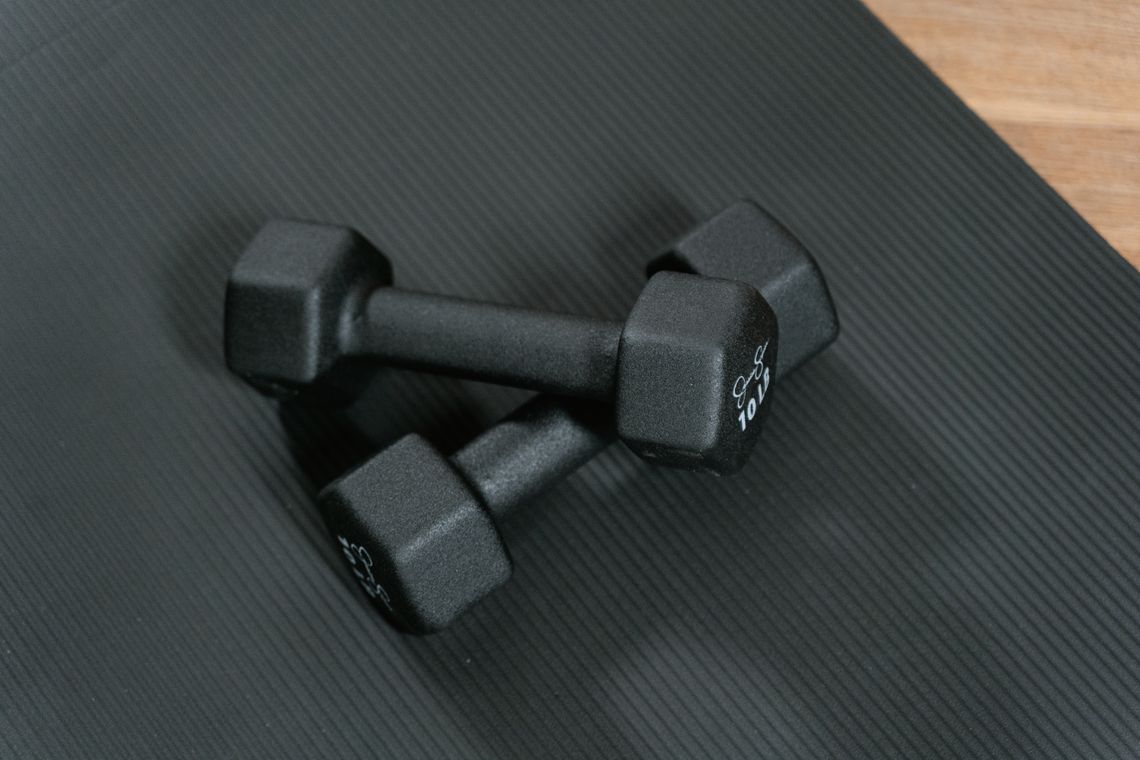
Real black dumbbells placed on an exercise mat for compact home strength training
Low-Footprint Strength Setup Corevora / Field 02
The Compact Setup Mindset

Own Less. Train With More Purpose.

A smaller equipment collection can create better sessions when each tool has a clear role and the room remains easy to use.

The objective is not to reproduce every commercial-gym station. Instead, build around movement patterns: push, pull, squat, hinge, lunge, carry, rotate, stabilize, and condition. A thoughtful compact setup can cover those patterns with surprisingly little equipment.

01
Buy for movement coverage.

Ask what new movement or progression an item adds before it earns permanent space in your setup.

02
Keep transitions short.

When equipment is easy to reach and reset, circuits and supersets feel smoother and training momentum stays intact.

03
Protect the floor first.

Flooring, equipment stability, noise, and surface protection should be considered before heavy or impact-focused training.

04
Leave room to progress.

A compact system should be expandable without requiring an entirely new room layout whenever training goals change.
Programming Framework

Build Sessions Around Movement

This three-session framework demonstrates how compact equipment can be rotated across the week without requiring a large machine-based setup. Adjust exercise selection, volume, resistance, and recovery to match your experience and training objectives.

Compact Weekly Structure
3 / DAY
Session 01

Strength Base

Prioritize controlled resistance, major movement patterns, and stable positions.

  • 01Dumbbell or kettlebell squat pattern
  • 02Horizontal press variation
  • 03Row or suspension pull
  • 04Hip-hinge variation
  • 05Loaded carry or anti-rotation finish
Session 02

Condition + Control

Combine repeatable conditioning with technique-focused accessory work.

  • 01Jump-rope or low-impact interval
  • 02Kettlebell hinge pattern
  • 03Resistance-band upper-body work
  • 04Split-stance lower-body movement
  • 05Core stability sequence
Session 03

Full-Body Density

Use a small number of tools to create efficient, continuous full-body work.

  • 01Goblet squat or reverse lunge
  • 02Standing or bench-supported press
  • 03Suspension or dumbbell row
  • 04Medicine-ball or controlled power work
  • 05Short conditioning finisher
Equipment Decision System

Four Questions Before You Add Gear

Compact training improves when purchasing decisions are filtered through function, storage, setup time, and long-term programming value rather than product count.

Filter 01

What Does It Add?

Identify the exact movement, loading range, training style, or progression the equipment introduces. If another tool already performs the same role well, the new item may not deserve the footprint.

Filter 02

Where Does It Live?

Decide where equipment will be stored before purchasing it. Anything without a defined storage position tends to migrate into walking space and gradually makes compact training feel crowded.

Filter 03

How Fast Is Setup?

Equipment that requires a complicated conversion before every set can interrupt short training sessions. In smaller environments, fast setup and fast reset are legitimate performance features.

Filter 04

Will You Still Use It Later?

Choose equipment that remains useful as strength, coordination, and conditioning improve. A high-quality compact tool should support progression rather than only one short-term routine.

The Reset Standard

Your Workout Ends When the Space Resets

A professional compact setup should recover its visual order quickly. The reset process is part of the training system—not an afterthought.

Post-Session Sequence
01 Clear
02 Check
03 Store
04 Reset

Return weights to their designated position, inspect bands and attachment points, clear the primary movement zone, and leave access paths unobstructed. A predictable closing routine reduces clutter and makes the next session easier to start.

Before the First Rep

Run the Space Check

Compact environments demand more awareness of surrounding surfaces, clearances, equipment stability, and shared living conditions. Review the space before every session when the layout has changed.

01

Floor Condition

Confirm that the training surface is stable, level, dry, and appropriate for the equipment and movement being performed.

02

Overhead Clearance

Check ceiling fixtures, fans, shelves, and overhead objects before pressing weights or using a jump rope.

03

Side Clearance

Leave enough surrounding room for controlled movement and account for the full travel path of the equipment.

04

Mounting Security

Use pull-up, dip, or suspension equipment only when installed and used according to the applicable product instructions.

05

Noise + Impact

Consider neighbors, flooring, surrounding objects, and building rules before performing high-impact or ball-based exercises.

06

Exit Path

Keep doors, stairs, hallways, and primary walking routes free from loose equipment throughout the session.

Small-Space Questions

Training FAQ

Practical guidance for deciding what to buy, how to organize it, and how to keep compact training flexible as your goals evolve.

What equipment should I prioritize first for a small training space?

Start with equipment that covers several movement patterns and fits your available storage. Dumbbells or kettlebells, resistance bands, and bodyweight training can form a strong base. A bench or suspension trainer can be added when it clearly expands the exercises you intend to perform.

Do I need a weight bench in a compact home gym?

Not necessarily. A bench can expand pressing, rowing, split-squat, hip-extension, and supported accessory work, but its stored footprint matters. If floor area is extremely limited, begin with standing and floor-based movements and add a bench only when the additional exercise options justify the space it occupies.

Are resistance bands useful if I already have dumbbells?

Yes. Bands require very little storage and can add warm-up, mobility, accessory, assisted, and variable-resistance options. They complement free weights well because they can cover movements or resistance angles that may be less convenient with dumbbells alone.

How can I avoid making a small room feel like a crowded gym?

Keep the center of the room as open as possible, group equipment along one controlled edge, reduce duplicate tools, and give every item a designated storage position. The visual effect of empty floor space is important: it makes the room easier to navigate and easier to train in.

Can suspension trainers work well in a small space?

They can be highly space-efficient because the training system itself stores compactly and can support a broad range of movements. The attachment point, mounting method, surrounding clearance, and product instructions should always be reviewed before use.

Should I use medicine or slam balls indoors?

It depends on the specific exercise, product, flooring, surrounding objects, noise limitations, and available clearance. Controlled medicine-ball training may fit many indoor spaces, while impact-intensive exercises require additional consideration. Follow the applicable product guidance and adapt the movement to the environment.

What makes a piece of equipment truly small-space friendly?

Small-space friendliness is not only about physical size. Useful compact equipment should also be easy to store, quick to set up, versatile across several movements, and simple to integrate without blocking normal room access.

How should I expand my setup over time?

Expand in response to a clear programming need. Increase loading options when existing resistance becomes limiting, add a bench when supported movements become important, or introduce conditioning and agility equipment when those training qualities become a regular part of your routine.

Corevora Performance Approach

Build the Setup Around How You Train

Start with your movement priorities, protect usable floor space, choose equipment with multiple roles, and let the system grow only when your training demands more.