Clean Little Often
A quick wipe after use is easier than removing hardened residue later. Focus on handles, grips, pads, straps, ropes, and other areas that repeatedly contact hands, skin, shoes, or the floor.
Corevora Equipment Journal / Care Standard
Protect the equipment that supports your training. A disciplined care routine helps keep surfaces cleaner, moving parts more predictable, storage more organized, and every training setup ready for the next session.
Strength and conditioning gear is designed to work hard, but durable does not mean maintenance-free. Sweat, moisture, dust, repeated impact, friction, floor contact, storage pressure, and loose hardware can gradually change the way equipment looks and performs. The Corevora care approach focuses on simple habits: wipe down high-touch areas, keep equipment dry, inspect wear points, store each item correctly, and follow the product manufacturer's instructions whenever a specific material or mechanism requires specialized care.
Care Philosophy
Equipment care is not about making a gym look untouched. It is about protecting contact surfaces, structural integrity, adjustment points, coatings, textiles, elasticity, and storage conditions so your setup remains dependable through repeated use.
A quick wipe after use is easier than removing hardened residue later. Focus on handles, grips, pads, straps, ropes, and other areas that repeatedly contact hands, skin, shoes, or the floor.
Powder-coated metal, rubber, urethane, vinyl, foam, fabric, and exposed steel do not always respond the same way to cleaning products. When in doubt, start mild and follow the manufacturer's care instructions.
A clean surface is only one part of equipment care. Fasteners, adjustment points, anchors, bands, stitching, cables, handles, frames, and contact areas should also be checked for visible wear before demanding use.
Training is not complete until equipment is returned to a stable position. Organized storage protects floors, minimizes avoidable impacts, reduces trip hazards, and makes the next session easier to begin.
Daily Care Standard
Good maintenance is controlled, material-aware, and repeatable. More chemical, more moisture, or more scrubbing is not automatically better.
Begin with the least aggressive method suitable for the equipment. Remove loose dust and debris, use a soft cloth for contact surfaces, and avoid saturating seams, bearings, adjustment mechanisms, foam edges, or internal components. When a cleaner is required, confirm that it is compatible with the equipment's finish. Apply it to the cloth when practical rather than flooding the product directly.
Four-Level Routine
Not every task belongs after every workout. A layered schedule keeps routine care efficient while still creating space for deeper inspections and storage resets.
Finish each session by dealing with the areas that collected the most direct contact and returning equipment to a safe resting position.
Use a few minutes to look beyond surface cleanliness and identify wear before it becomes difficult to ignore.
Create time for a more complete look at equipment condition, storage zones, floor contact, frame joints, and difficult-to-reach surfaces.
When equipment develops visible damage or abnormal movement, do not treat continued use as part of the maintenance process.
Material Intelligence
Equipment often combines several materials in one product. Clean each area according to what it is made from rather than treating the entire product with one aggressive solution.
Wipe away sweat, floor dust, and residue with a soft cloth and a mild compatible cleaning approach. Avoid soaking seams, hubs, or attachment points.
Remove moisture and residue without aggressive scraping. Surface coatings protect underlying metal, so avoid unnecessary abrasion that can damage the finish.
Moisture management becomes especially important where metal is not fully coated. Keep exposed surfaces clean and dry and follow manufacturer guidance for protective care.
Wipe perspiration from pads after training. Avoid flooding seams or allowing cleaning liquid to collect around stitched edges, foam openings, or attachment hardware.
Keep resistance products away from sharp edges and unnecessary heat. Inspect the full working length for cuts, cracks, thinning, or other visible changes before use.
Let straps dry before enclosed storage. Check load-bearing webbing, handles, connection loops, and stitched areas for fraying, tearing, or distortion.
Keep ropes free from unnecessary twists, sharp bends, and abrasive storage contact. Review handles, junction points, and the working surface for wear.
The Last Rep
Where equipment waits between sessions can matter almost as much as how it is cleaned.
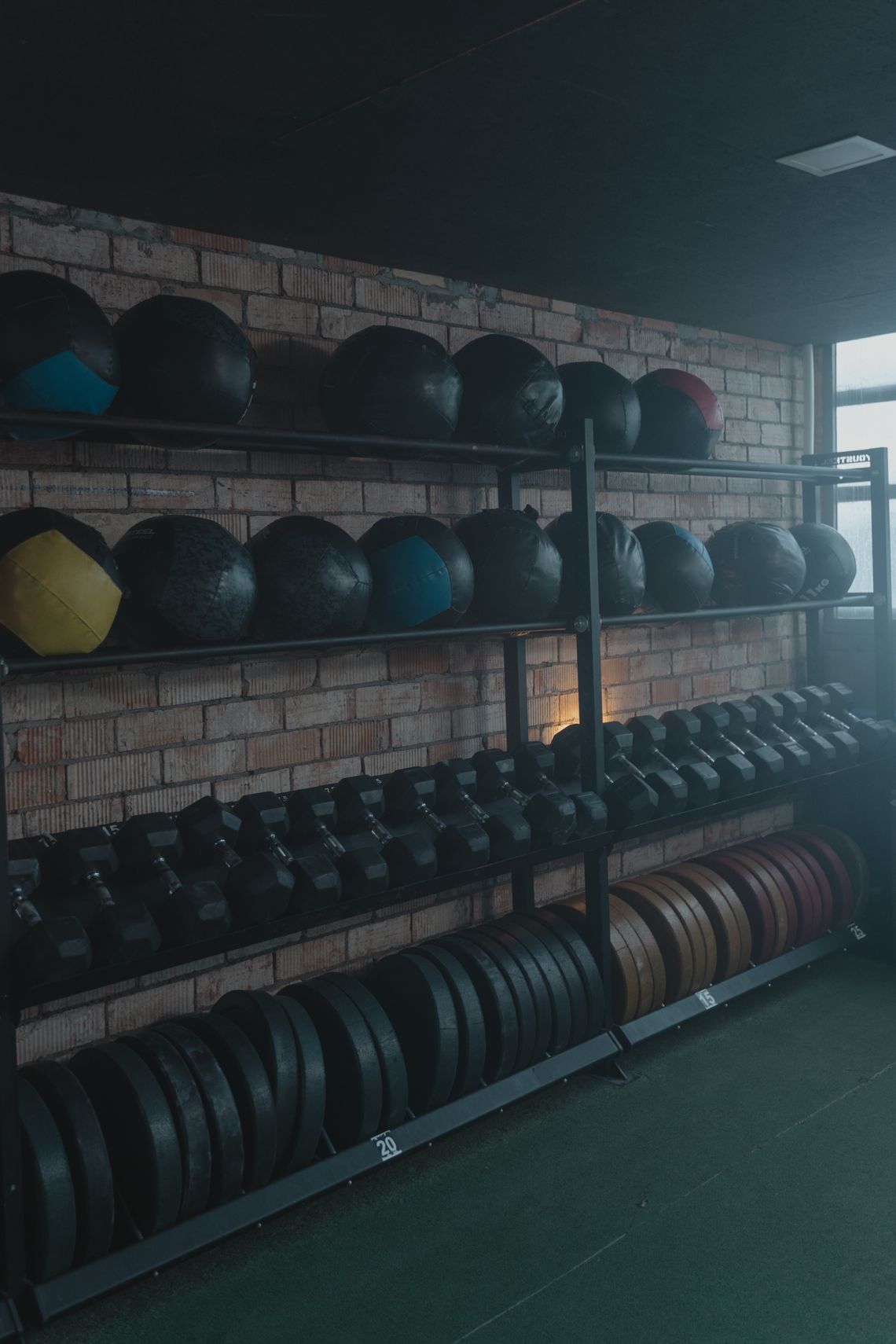
Dedicated storage limits avoidable drops, unnecessary floor contact, tangled straps, prolonged band tension, bent ropes, and crowded walkways. Heavy equipment should rest on stable surfaces intended to support the load. Smaller accessories benefit from clear zones that prevent them from becoming trapped under benches or weights.
Corevora Equipment Index
Each training category creates different wear patterns. Use this guide as a practical inspection framework, then follow the specific instructions provided with your individual product whenever they differ.
Dumbbells collect hand oils, sweat, chalk, and floor debris around grips and heads. Adjustable versions also introduce moving interfaces that require more careful inspection.
Handles receive repeated friction while bell bodies may contact floors during cleans, swings, carries, and complex training sequences.
Elastic equipment should be inspected across its full length because small cuts, cracks, punctures, or thinning can become more important under stretch.
A bench combines upholstery, frame components, feet, adjustment points, and hardware. All of these areas contribute to a stable training platform.
Structural equipment deserves deliberate inspection because user bodyweight and dynamic movement may be transferred through frames, joints, grips, and mounting points.
Impact-based equipment should be checked for changing shape, opening seams, surface damage, or areas that appear different after repeated striking or throwing.
Load-bearing straps, handles, buckles, and anchor interfaces should remain clean, dry, untangled, and visually intact.
Rope and cable surfaces experience friction with floors while handles and bearings receive repeated rotational use.
Cones, ladders, hurdles, markers, and related accessories frequently contact floors, turf, shoes, and outdoor surfaces.
Pre-Session Safety
A fast visual and physical check can reveal problems that cleaning alone will not. The higher the load, speed, impact, or suspension demand, the more important it becomes to confirm that the equipment feels and behaves as expected.
If equipment appears structurally damaged, unstable, significantly deformed, badly frayed, cracked, or otherwise compromised, stop using it until it has been evaluated according to the manufacturer's instructions.
Look for cracks, cuts, exposed edges, torn coverings, sharp burrs, opened seams, unusual swelling, or other changes that were not present before.
Review handles, straps, anchor loops, frame connections, adjustment points, and other areas that directly carry bodyweight or external resistance.
Adjustable components should lock and move as intended. Unexpected looseness, binding, shifting, clicking, or misalignment deserves attention before loading.
Benches, racks, dip equipment, and other standing structures should rest securely without unexpected rocking, slipping, or damaged feet.
Stretch bands only after examining the full length and connection points. Cuts, deep abrasions, cracks, or obvious thinning are reasons to remove a band from use.
For mounted or suspended equipment, verify the installation and attachment points according to the product instructions before placing bodyweight or dynamic force on them.
Remove nearby obstacles, liquid, loose accessories, and other hazards that could interfere with movement or make equipment unstable during use.
Equipment Architecture
A premium training space does not need to be large. It needs a clear logic. Build zones by weight, frequency of use, movement type, and storage demand so the room resets quickly after every session.
Separate heavy equipment from flexible accessories. Keep high-frequency tools easy to reach, while equipment that requires hanging, coiling, or controlled positioning gets a dedicated area that protects its shape.
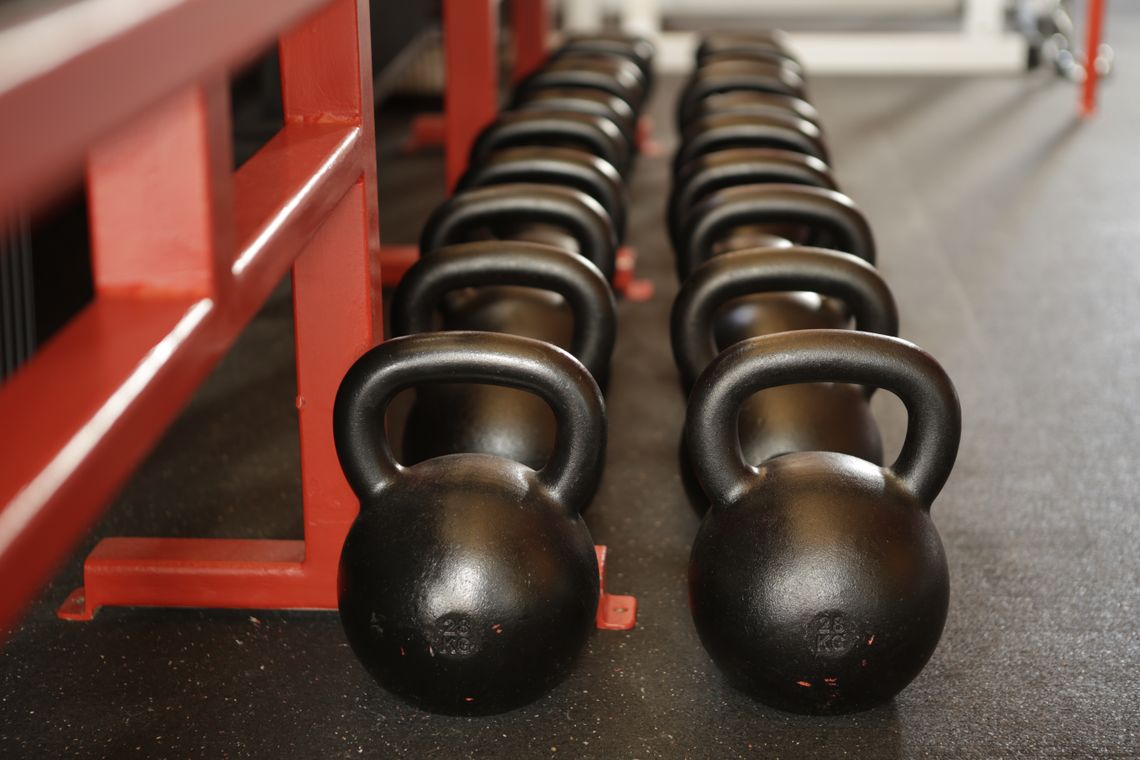
Dumbbells and kettlebells belong on stable weight-rated storage or carefully designated floor positions.
Bands, suspension straps, and ropes benefit from dry storage without prolonged tension, sharp bends, or crushing loads.
Medicine balls and slam balls should remain clear of sharp edges and heavy objects that may deform or damage their outer surfaces.
Cones, markers, ladders, and agility accessories should be dry and arranged so straps and plastic components are not forced out of shape.
Damage Triage
Maintenance is not a reason to keep questionable equipment in service. Some conditions require cleaning, some require closer inspection, and others require the equipment to be removed from training until the issue is resolved.
Cosmetic marks, dust, chalk buildup, and ordinary removable residue may simply call for routine cleaning and observation.
Unexpected looseness, sticking adjustments, unusual movement, developing deformation, or rapidly worsening wear should be reviewed before normal training continues.
Cracked load-bearing components, severely frayed straps, damaged anchors, broken adjustment systems, or visibly compromised bands should not be treated as normal wear.
Seven-Day System
The schedule below is not a rigid requirement. It is a simple way to distribute small maintenance tasks across a training week instead of waiting until the entire setup needs attention at once.
Wipe dumbbell and kettlebell grips. Check frequently used handles and high-contact areas.
Inspect elastic surfaces, attachment loops, suspension webbing, and stitched areas.
Clean upholstery, check adjustment positions, and confirm stable floor contact.
Inspect jump-rope surfaces, handles, agility tools, cones, ladders, and storage coils.
Review medicine balls and slam balls for seam, shell, shape, and surface changes.
Clear floor space, reorganize high-use zones, and remove dust around equipment storage.
Use a short walk-through to identify anything that needs closer attention before the next week begins.
Care Discipline
Many equipment problems are not caused by training itself. They come from careless storage, incompatible cleaners, trapped moisture, rough surfaces, forced adjustments, and continuing to use equipment after visible deterioration appears.
Equipment Questions
Routine equipment care should remain simple. Use these answers as a general framework and defer to the instructions supplied with the specific product whenever a manufacturer provides more detailed requirements.
Corevora Care Standard
Equipment does not need to look untouched. It needs to stay clean enough to use, organized enough to access, and structurally sound enough to trust. Build a simple care rhythm around cleaning, drying, inspection, and storage, then let consistency do the work.